Blogs|Medivira

Connection Between, PTSD and Addiction?
Medivira believes in harm reduction and employs various harm reduction strategies for it's patients ...more
mind-body-healing
July 16, 2026•3 min read

Texas Medicaid Work Requirements
Medicaid has long served as an important source of healthcare coverage for low-income individuals ...more
mind-body-healing
July 10, 2026•3 min read
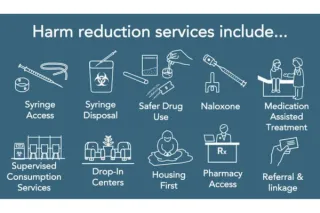
Harm Reduction Strategy
Medivira believes in harm reduction and employs various harm reduction strategies for it's patients ...more
mind-body-healing
May 23, 2026•5 min read
What's the connection between Childhood- Trauma,Domestic
voilence,PTSD and Addiction?
Medically Reviewed & Written By: Dr. Saleha Jafar, MD | Board-Certified: Addiction Medicine | Internal Medicine | Obesity Medicine | Last updated: May 2026
The connection between trauma, PTSD, and addiction is a well-established medical and neurological pattern recognized throughout addiction medicine and psychiatry.Research shows that individuals with PTSD are more likely to develop substance use disorders (SUD) compared to the general population. Childhood trauma, emotional abuse, domestic violence, military combat, sexual assault, and other deeply distressing life experiences can make the brain remain in a constant state of “fight or flight.” This heightened stress response can increase impulsivity, emotional distress and vulnerability to substance dependence.
Childhood trauma is particularly important because early adverse experiences can affect emotional development for years or even decades. Children exposed to abuse, neglect, unstable households, or chronic stress may grow into adults who struggle with anxiety, depression, emotional regulation, or feelings of insecurity. Many adults with addiction histories later discover that unresolved childhood trauma played a major role in the development of their substance use disorder. Trauma that remains untreated can continue affecting relationships, work performance, physical health, and emotional stability throughout life.Many individuals suffer silently for years because they feel ashamed or believe their symptoms are a personal weakness.
Veterans, first responders, survivors of domestic violence, and patients with opioid use disorder are among the populations most affected by trauma-related addiction.
Trauma does not simply “go away” with time. Instead, unresolved trauma can lead to anxiety, panic, insomnia, hypervigilance and nightmares-which can leave patients exhausted and emotionally drained. Over time, this lack of restorative sleep can worsen depression, anxiety, cause concentration problems, and cravings for substances including Stimulants like Adderall and benzodiazepines - at times, leading to addiction.In an attempt to escape these overwhelming symptoms, many people begin using alcohol, opioids, benzodiazepines, or other substances to temporarily quieten the emotional pain.
Addiction often begins as an attempt to self-medicate emotional suffering rather than a desire to become dependent on drugs or alcohol.PTSD symptoms often appear long after the traumatic event has occurred. Some individuals may initially seem emotionally stable, only to later experience PTSD symptoms which can interfere with relationships, employment, and physical health. They begin self-medicating with substances simply to function day-to-day or get temporary relief from overwhelming emotions. They may discover that substances may provide shorttime relief of their symptoms but they ultimately worsen brain chemistry and emotional regulation,thereby increasing the risk of addiction over time.
Untreated PTSD may become one of the driving forces behind relapse, making recovery more difficult when trauma symptoms remain unaddressed.
If trauma or PTSD symptoms are contributing to substance use, seeking professional treatment can be an important first step toward lasting recovery and emotional healing.
At Medivira our Board certified Addiction Specialist, Dr. Saleha Jafar, MD provides Trauma-informed "Dual Diagnosis Care" for both Addiction and Mental health conditions in one setting. Integrated treatment can improve emotional stability, reduce relapse risk, and help patients regain control of their lives.
If you or someone you love is struggling with both addiction and trauma symptoms such as flashbacks, nightmares, emotional numbness, or hypervigilance, seeking comprehensive treatment can be an important first step toward long-term recovery and healing
Other conditions we treat at Medivira
Where is Medivira located? What counties and areas in Dallas do you serve? Locations ?
Medivira is located at 400 Stonebrook Pkwy Suite 902, Frisco,TX 75036. Serving patients in Tarrant, Dallas,Denton,Collin counties including Plano, Mckinney, DFW Metroplex, Prosper, Celina, Allen,Lewisville, Little Elm, Irving Richardson, Arlington areas
and all of Texas via Telehealth.
Medivira provides addiction medicine and mental health services under the care of a licensed physician. This website is for informational purposes only and does not constitute medical advice.If you are experiencing a medical emergency, call 911
Timings: Same-day appointments
Telehealth:Mon to Sun : 7am–9pm
In-Person: Mon, Wed, Fri : 1pm–5pm
24/7 Text Support
Privacy Policy | Terms & conditions | Last updated: May 2026
© 2026 Medivira. All rights reserved.