(469) 888-8241 | [email protected] | Same day appointments |In-person | Telehealth : 7 days a week, 9am-9pm | Free Consultation |Medicaid |accept most insurances
400 Stonebrook Pkwy STE 902, Frisco TX 75036

Dual Diagnosis Treatment in Frisco,TX | Same-day | Medivira
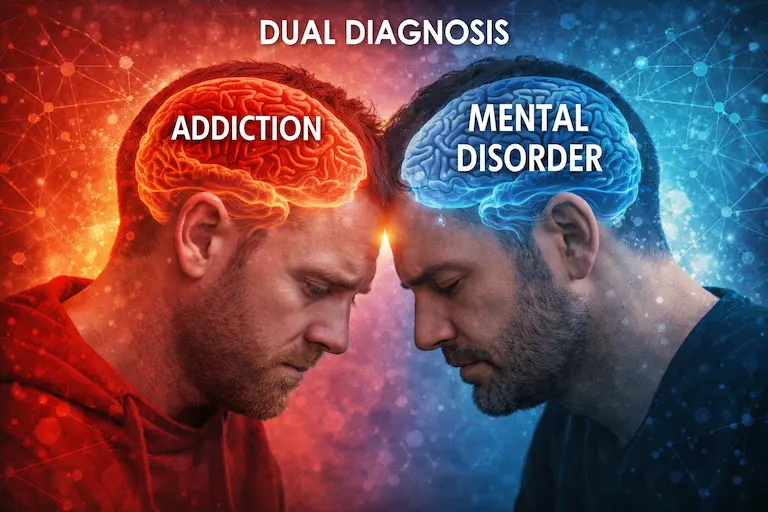
Dual diagnosis treatment at Medivira-Integrated management of addiction & co-occuring mental health conditions
Led by our Addiction Medicine specialist, Dr. Saleha Jafar,MD; Medivira offers Dual Diagnosis Treatment- addressing both addiction and co-occurring mental health conditions.At Medivira, you do not need to visit multiple clinics or multiple doctors. Everything is handled in one place, by one physician who knows your complete picture
Our Frisco clinic provides in person appointments to residents of Frisco, Plano, Mckinney, Allen,Prosper, Celina and
Tele visits throughout Texas 7 days a week, from 9:00 AM to 9:00 PM with 24/7 after hours support
We accept most major insurance plans, including Texas Medicaid, offer free initial consultations and same-day appointments
Treating Co-Occurring Mental Health Conditions — Dual Diagnosis Care
Addiction rarely exists in isolation. Research consistently shows that mental health conditions such as anxiety, depression, PTSD, ADHD, and insomnia frequently co-occur with opioid use disorder — and often drive drug-seeking behavior in the first place.
At Medivira, we treat both. Dr. Saleha Jafar, MD provides integrated medication management for a full range of co-occurring mental health conditions alongside your Suboxone treatment. Conditions we treat include:
• Anxiety and panic attacks
• Depression and mood instability
• PTSD (Post-Traumatic Stress Disorder)
• ADHD in adults
• OCD (Obsessive-Compulsive Disorder)
• Bipolar II disorder
• Postpartum depression
• Insomnia and sleep disorders
This dual diagnosis approach — addressing both addiction and its underlying causes — is what leads to sustainable, long-term recovery rather than short-term symptom control. At Medivira, you do not need to visit multiple clinics or multiple doctors. Everything is handled in one place, by one physician who knows your complete picture
Understanding the Problem
Cocaine Addiction Is a Medical Condition — Not a Moral Failing
Cocaine use disorder is a chronic brain disease characterized by compulsive cocaine use despite harmful consequences. Like other substance use disorders, it alters brain chemistry, decision-making, and impulse control — making it extremely difficult to stop without professional support.
At Medivira in Frisco, Texas, we treat cocaine addiction with the same medical rigor and compassion we bring to all health conditions. Dr. Jafar works with each patient to understand the roots of their addiction and build a comprehensive, individualized path to recovery.
Recovery is possible. With the right treatment, support, and care, people with cocaine use disorder can — and do — reclaim their lives.
By the Numbers
Cocaine Addiction in the United States
The Basics
What Is Cocaine Addiction?
Cocaine is a powerful stimulant derived from the coca plant. It works by flooding the brain with dopamine — the chemical associated with pleasure and reward — producing intense but short-lived euphoria. This flood of dopamine is far beyond what the brain produces naturally, which over time desensitizes the brain's reward system and creates a cycle of craving and compulsive use.
Cocaine can be snorted, smoked (as crack cocaine), or injected, each method carrying distinct risks. The faster the drug reaches the brain, the more intense — and the more addictive — the experience.
With repeated use, the brain adapts to the flood of dopamine and begins producing less of it naturally. Users find they need more cocaine to feel the same effect, and without it, they feel depressed, fatigued, and unable to experience pleasure — a state known as anhedonia. This is how physical and psychological dependence develops.
Cocaine addiction is diagnosable as Cocaine Use Disorder (CUD) under the DSM-5 and is recognized by the medical community as a chronic, relapsing condition that responds well to evidence-based treatment.
How Do People Develop a Cocaine Addiction?
Cocaine addiction rarely starts with a conscious decision to become dependent. Common pathways include recreational or social use that gradually escalates, using cocaine to cope with stress, trauma, anxiety, or depression, peer pressure or exposure in social environments, and self-medicating undiagnosed mental health conditions such as ADHD or depression.
Genetic predisposition plays a role as well — individuals with a family history of addiction are at higher risk. Environmental factors such as chronic stress, childhood trauma, unstable home environments, and early substance exposure also significantly increase vulnerability. Understanding how someone came to develop an addiction is a critical part of effective, individualized treatment.
Recognizing the Signs
Symptoms of Cocaine Addiction
Cocaine addiction presents across physical, behavioral, and psychological dimensions. Not all symptoms will be present in every individual, and severity varies. Common signs include:
Psychological Symptoms
Intense cravings, euphoria followed by "crashes," paranoia, anxiety, irritability, mood swings, and cocaine-induced psychosis with prolonged use.
Physical Symptoms
Dilated pupils, elevated heart rate and blood pressure, reduced appetite, weight loss, nosebleeds (from snorting), and insomnia or disrupted sleep patterns.
Compulsive Use Patterns
Inability to cut down or stop despite wanting to, using larger amounts over time, spending significant time obtaining, using, and recovering from cocaine.
Social & Behavioral Changes
Withdrawing from friends and family, neglecting responsibilities at work, home, or school, secrecy, and continuing use despite knowing the harm it causes.
Withdrawal Symptoms
When not using, individuals may experience extreme fatigue, depression, increased sleep, heightened appetite, slowed thinking, and strong cravings.
Tolerance & Dependence
Needing increasing amounts to achieve the same effect, and experiencing significant distress or dysfunction when unable to use.
Health Consequences
Complications of Cocaine Addiction
Untreated cocaine addiction can cause severe, life-threatening complications across multiple body systems. Early intervention is critical to preventing long-term harm.
Cardiovascular Complications
- Heart attack (even in young, otherwise healthy individuals)
- Irregular heart rhythm (arrhythmia)
- Elevated blood pressure and increased stroke risk
- Aortic dissection and cardiomyopathy
- Sudden cardiac death
Neurological & Mental Health Complications
- Stroke and seizures
- Cocaine-induced psychosis
- Severe depression and suicidal ideation
- Cognitive impairment and memory problems
- Anxiety disorders and panic attacks
Respiratory & Physical Complications
- Destruction of nasal septum (from snorting)
- Chronic cough, respiratory distress ("crack lung")
- Significant weight loss and malnutrition
- Skin infections and abscesses (IV use)
Social & Life Consequences
- Damaged relationships and family breakdown
- Job loss and financial devastation
- Legal problems and incarceration
- Overdose — especially when combined with opioids or alcohol
Evidence-Based Care
Cocaine Addiction Treatment at Medivira
Medivira offers a comprehensive, individualized approach to cocaine addiction treatment. Dr. Jafar combines the latest evidence-based therapies with medication management and integrated care to address the full spectrum of each patient's needs.
Behavioral & Psychological Therapies
Behavioral therapies are the cornerstone of cocaine addiction treatment and have the strongest evidence base.
- Cognitive Behavioral Therapy (CBT) — Identifies triggers and builds coping strategies to avoid relapse
- Contingency Management — Positive reinforcement for maintaining abstinence and meeting treatment goals
- Motivational Interviewing (MI) — Strengthens a patient's own motivation and commitment to change
- Relapse Prevention Therapy — Develops skills to recognize high-risk situations and prevent recurrence
- Individual & Group Counseling — Ongoing therapeutic support throughout recovery
Medication-Assisted Support
While no medication is currently FDA-approved specifically for cocaine use disorder, Dr. Jafar may use medications to help manage specific aspects of your treatment, including:
- Managing withdrawal symptoms such as depression and sleep disturbances
- Treating co-occurring anxiety, depression, or ADHD that may drive cocaine use
- Reducing cravings in select patients using off-label approaches supported by emerging research
- Managing any co-occurring opioid or alcohol use disorder with FDA-approved medications
Whole-Patient Treatment
Dr. Jafar takes a whole-person approach, addressing not just cocaine use but the full clinical picture — including any co-occurring mental health conditions, other substance use disorders, and physical health concerns. Treatment planning is collaborative, compassionate, and adapted over time.
Your Provider
Specialized Care for Complex Needs
Addiction Medicine Specialist
Frisco, Texas
As a board-certified addiction medicine specialist, Dr. Jafar brings deep expertise in the diagnosis and treatment of cocaine use disorder and a full range of co-occurring conditions. She understands that cocaine addiction rarely exists in isolation — many patients also struggle with other substance use disorders or underlying mental health conditions that must be addressed together for lasting recovery.
At Medivira, Dr. Jafar provides integrated, evidence-based treatment that addresses the full scope of each patient's health. This means you won't need to coordinate care across multiple providers — Dr. Jafar can treat cocaine addiction alongside other co-occurring conditions in one place.
Co-Occurring Conditions Dr. Jafar Treats
How to See Us
In-Person & Telehealth Appointments
Medivira offers flexible appointment options to make treatment as accessible as possible. Whether you prefer to come to our Frisco office or receive care from home, we're here for you.
In-Person Visits
Visit our Frisco, Texas office for an in-person consultation with Dr. Jafar. In-person appointments allow for a thorough clinical evaluation, physical assessment, and face-to-face connection with your care team. Ideal for initial evaluations and more complex cases.
Telehealth Visits
Receive the same high-quality addiction medicine care from the privacy and convenience of your own home. Telehealth is available for Texas residents and is a convenient option for follow-up visits, medication management, and ongoing therapy. No travel required.
Available for patients throughout Frisco and across Texas via telehealth
Questions & Answers
Frequently Asked Questions
Yes. Medivira, led by addiction medicine specialist Dr. Jafar, offers comprehensive cocaine addiction treatment in Frisco, Texas. We accept patients for both in-person appointments at our Frisco office and telehealth visits available to patients throughout Texas.
Yes. Cocaine use disorder is a well-recognized, treatable medical condition. Evidence-based therapies such as Cognitive Behavioral Therapy and Contingency Management, combined with medication support for co-occurring conditions, give patients a strong foundation for lasting recovery. Many people with cocaine addiction go on to lead healthy, fulfilling lives with the right professional support.
Currently, no medication is FDA-approved specifically for cocaine use disorder, making behavioral therapy the primary treatment. However, Dr. Jafar may prescribe medications to address withdrawal symptoms such as depression or sleep problems, treat co-occurring conditions like anxiety or ADHD, or reduce cravings using evidence-supported approaches. If you also have an opioid or alcohol use disorder, FDA-approved medications for those conditions may also be incorporated into your treatment plan.
Absolutely. As a board-certified addiction medicine specialist, Dr. Jafar is experienced in treating co-occurring substance use disorders and mental health conditions that frequently accompany cocaine addiction — including alcohol use disorder, opioid use disorder, depression, anxiety, PTSD, ADHD, and others. Treating these conditions together, rather than in isolation, leads to significantly better outcomes.
Cocaine withdrawal is characterized by a "crash" after stopping use, which can include intense fatigue, depression, increased sleep, heightened appetite, difficulty concentrating, and powerful cravings. While cocaine withdrawal is generally not physically dangerous in the same way as alcohol or opioid withdrawal, it can be profoundly uncomfortable and psychologically difficult. Medical supervision during withdrawal helps manage symptoms, reduces relapse risk, and provides a safe transition into active treatment.
Treatment duration varies significantly based on the individual. Recovery is a process, not a fixed timeline. Some patients stabilize relatively quickly; others benefit from longer-term engagement with their care team. Dr. Jafar will develop a personalized treatment plan and adjust it based on your progress, goals, and any co-occurring conditions. Continuing care and relapse prevention planning are important components of any long-term recovery strategy.
Yes. Medivira offers telehealth visits for addiction treatment, allowing patients to receive expert care from the privacy and comfort of their own home. Telehealth is available to patients across Texas and is suitable for initial consultations, ongoing treatment, medication management, and follow-up appointments. If you prefer to be seen in person, our Frisco, Texas office is available for in-person visits as well.
Yes. All patient information at Medivira is protected under HIPAA, and addiction treatment records carry additional federal confidentiality protections under 42 CFR Part 2. Your privacy is a top priority. We understand that concerns about confidentiality may be a barrier to seeking care, and we are committed to creating a safe, discreet, and judgment-free environment for all patients.
Other conditions we treat at Medivira
Medivira provides addiction medicine and mental health services under the care of a licensed physician. This website is for informational purposes only and does not constitute medical advice.If you are experiencing a medical emergency, call 911
Timings: Same-day appointments
Telehealth:Mon to Sun : 7am–9pm
In-Person: Mon, Wed, Fri : 1pm–5pm
24/7 Text Support
Privacy Policy | Terms & conditions | Last updated: May 2026
© 2026 Medivira. All rights reserved.